February 8, 2012

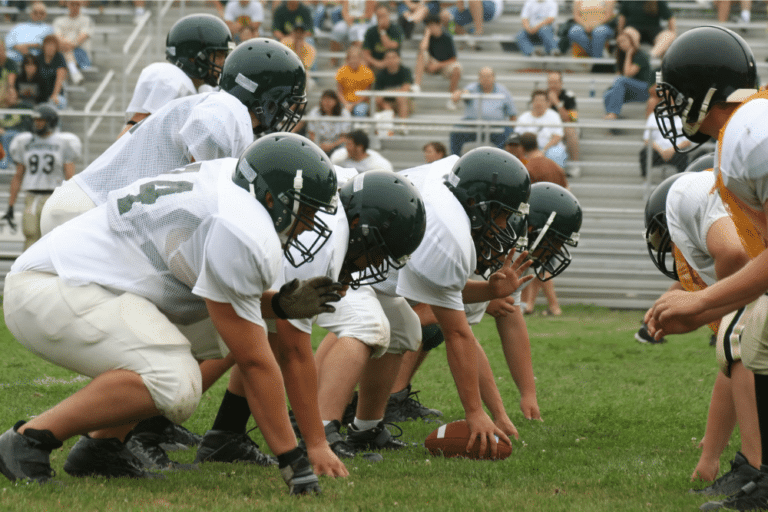
Football Legend Tony Dorsett Gets Serious About NFL Head Injuries

The risk of traumatic brain injury exists in many physical sports, but the danger is perhaps most evident in football. The game of football is built around contact. While other activities involve incidental contact, football incorporates hard hits, knocks, and collisions as an integral part of the game. Each Chicago brain injury attorney at our firm knows that is why it remains particularly important for players, parents, coaches, trainers, school administrators, referees, and others to do everything in their power to keep players safe on the gridiron.

While the focus of most sports brain injury prevention efforts is on younger players—often middle school and high school athletes—it is professionals who often face the most prolonged problems. As we’ve often mentioned, one of the main dangers of these injuries is that head trauma, like a concussion, goes undiagnosed and untreated. Without proper rest, the injury never fully heals. The more contact that is experienced the greater the injury. Professionals spend countless hours on the field during games and in practice taking tough hit after tough hit. Most players have been involved in the game since they were very young. Therefore, even professionals who are only twenty five years old may have already had twenty years of nonstop hard knocks on the head. Even when the injuries do not result in cataclysmic, deadly injuries, the overall harm caused by those years of prolonged contact can affect the players for the rest of their lives.

This idea is what lies at the heart of recent brain injury lawsuits filed by former players of the National Football League. Tony Dorsett, a former running back and member of the NFL Hall of Fame is one of the main voices leading the charge to raise awareness of player safety. Dorsett explains that head injuries during his eleven years as a professional, from 19977 to 1988, have affected him since. In the lawsuit that Dorsett filed with at least 300 other former players, he alleges that much more should have been done to protect players from long-term injury and make them aware of the potential dangers. Because of the lack of basic safeguarding, the lawsuit claims, many former players face decades of mental and physical problems after they retire.

Boston News published an extended story on the issue. The article notes that documents filed which initiated that brain injury lawsuit essentially claim that the NFL culture (run by owners and the commissioner’s office) was indifferent about the long-term effects on the athletes. Dorsett explained that he expects his future to be faced with dementia, Alzheimer’s, and similar brain conditions as a result of the repeated knocks that he took as a player. Instead of providing support to prevent long-term injury, Dorsett explains that he was actually encouraged to keep playing even when he was clearly hurt and needed recuperation.

In a nod to the growing importance of the issue, during this weekend’s Super Bowl, a one-minute ad aired which highlighted rule changes that have made the sport safer over the years. However, those changes alone are likely insufficient to avoid all liability if involved parties were negligent in the past with regard to player health.

See Our Related Blog Posts:

Head Injury Lawsuit Filed on Behalf of Ex-Football Players

Former Illinois Athletes File Brain Injury Lawsuit Against Eastern Illinois University

| Share
February 7, 2012

Infant Suffers Traumatic Brain Injury in Auto Accident

Most headlines in recent weeks about traumatic brain injuries involve sports related head trauma and injuries suffered by our service members in Iraq and Afghanistan. Both of these issues are of particular importance, because awareness of the problem and the need to find better treatments has the potential to improve the life of millions of our community members. However, focused attention on these two causes of head injury sometimes obscures the fact that the majority of traumatic brain injury are still caused by automobile accidents. Improving traffic safety will go a long way to preventing head injuries.

Our Illinois brain injury attorneys know that the most vulnerable members of our society—young infants—often experience these head injuries in car accidents. The incidents can affect the youngster throughout the rest of their life. For example, the Canton-Sixes Patch discussed a car accident in the area that led to a baby suffering one of these injuries. According to reports the accident occurred last week involving two vehicles on a bridge. Apparently a Ford Focus and Dodge pick-up truck were traveling in different direction across the bridge when for some reason the two car collided head-on. Head-on collisions remain the most damaging of auto accidents because the forces on the car (and those inside) are at their highest.

The driver of the pick-up truck suffered possible broken bones in his lower extremities, and the pick-up passenger suffered a neck injury. Those in the smaller car suffered even more harm. Both the driver and passenger (the baby’s parents) were killed in the collision. The baby was in the back seat at the time of the accident. When emergency crews arrived they noted that the child had a broken leg and had suffered a traumatic brain injury.

It is still early in the in the investigation, but some eye witness accounts suggest that the Ford Focus may have crossed the center line when traveling on the bridge. The drifting led to the collision with the pick-up truck. Investigators are now trying to understand what led the driver to drift across the center lane. Making that determination conclusively is often difficult, particularly when there is no one who was in the car who will be able to provide first-hand accounts of the situation just before the crash.

The Chicago injury lawyers at our firm have helped many in these situations. When it comes to automobile accidents, a range of factors are implicated in the legal analysis. The conduct of bother parties and the circumstances which led to the accident all play a role in how the situation will be adjudicated. Insurance companies are almost always involved in these situations. It is important for residents to remember that the insurance company is virtually guaranteed to look out for its own financial interest. That means making payouts that are as small as possible. In many cases those payouts are so small that they cannot even cover the expenses incurred by those involved. It is always prudent to seek out professional legal help to ensure that you are receiving fair recovery for your losses.

See Our Related Blog Posts:

Lawsuit Filed After Inmate Suffers Brain Injury

New Technology Aims to Help Victims of Traumatic Brain Injuries

| Share
February 6, 2012

Prisoners Have Traumatic Brain Injury Rates Seven Times Higher Than Public

The Scientific American published a fascinating article last week that discussed a new angle to the role that traumatic brain injuries have on American life. Our Chicago brain injury lawyers have explained how the effects of these injuries are often well beyond anything that some local community members can imagine. Unlike other injuries which are entirely physical, brain problems often lead victims to experience a range of symptoms that are not easy for others to detect. A victim’s personality, motivation, memory, drive, urges, and other internal workings can all be affected by one of these injuries.

It is often hard for outsiders to understand the problem, because there may not be any outward physical signs of problems. However, the lack of physical manifestations of the injury in no way minimizes the seriousness of the harm. Lives continue to be ruined because of the hidden consequences of a traumatic brain injury.

For example, the Scientific American article found that the rate of brain injury is a shocking seven times higher among the prison population than the general public. The stats are crystal clear.

About 8.5% of adults in the United State have some history of traumatic brain injury while 2% are currently suffering from some sort of disability from a brain injury.

How does that compare to the prison population?

60% of all prisoners have had at least one traumatic brain injury (TBI), and some states have even higher rates. These figures may be underreported as well. Recent studies into the matter have revealed that many prisoners likely suffered a brain injury without ever knowing it. In certain circumstances (or households) a serious blow to the head often does not lead to a trip to the hospital. Instead, victims are just told to “shake it off.” Yet it is those very situations where permanent harm may arise that, down the road, may lead to behavior that lands one behind bars.

Experts looking at these stats indicate that they reveal without question that the effects of TBIs affect criminal behavior. The fact that the injury can alter one’s mood, behavior, and impulse control means that sufferers are more likely to engage in conduct that leads to prison, and, once there, stay behind bars for a good portion of their lives. The effects of these injuries make it difficult for rehabilitation programs to be as successful as possible—particularly if the effects of these injuries are fully taken into account. As one therapist involved in the effort explains, “If we don’t help individuals specifically who have significant brain injuries that have impacted their criminal behavior, then we’re missing an opportunity to short-circuit a cycle.”

Yet, as blog readers know, there is still much disagreement about the best ways to treat these problems. One issue is that each patient often responds dramatically differently to assistance. The same injury could affect two individuals in vastly different ways with one suffering no ill effects and the other having serious underlying problems. Doctors have yet to conclusively identify why that is. Figuring out the best way to treat (or prevent) an injury is therefore stymied by the uncertainty about the overall cause.

See Our Related Blog Posts:

Brian Injury Lawsuit Filed After Bridge Accident

Construction Accident Causes Brain Injury

| Share
February 5, 2012

High Hospital Use by Children with Brain Injuries-Including Cerebral Palsy

Health Canal reported on an interesting new research study that caught the eye on a Chicago brain injury lawyer at our firm. The research effort looked at the rates of hospital use by children with various conditions. What they found, perhaps unsurprisingly, is that children with neurological impairments had particularly high hospital rates. The research effort was led by experts from the University of Utah and Harvard Medical School.

The overall results indicate that a particularly high proportion of inpatient hospitalizations in the county are made up of children with neurological impairments. The total data examined include 25 million pediatric hospitalizations—those with brain condition accounted for 5.2 percent of all hospitalizations and 20 percent of all hospital charges. These figures are much higher than would be expected based solely on the total number of children facing these conditions.

The data was published in last month’s issue of PLoS Medicine. Four different years were analyzed in the effort (1997, 2000, 2003, and 2006). In total, 1.3 million hospitalizations were required for children with neurological impairments. Over those years, there was actually a proportionally increasing use of specialty hospitals by those with the impairments. The most common impairments for those hospitalized were cerebral palsy and epilepsy.

A limitation of the effort was that it only measured discharges (not individual patient data). That means that it is not possible to discover if the trend toward more hospitalization was caused by more usage of specialty services by children with these impairments or if there has been an overall increase in the number of children with the brain problems.

One expert familiar with the effort explained that the root of the problem may actually be advances in medical care. He noted, “In the United States, advances in care have led to improved survival of children with NI (neurological impairment), so we expected that children with NI would account for a significant proportion of hospital resources.”

The most fascinating aspect of the study, however, was the overall cost of these hospitalizations. Amazingly, nearly one third of all charges at these children’s hospitals were made to those children with conditions like cerebral palsy and epilepsy. Obviously in many cases families faced with these charges struggle to keep up. Even with insurance there are many demands placed on those caring for the injured children.

The need for prolonged and consisted medical care for those children suffering from brain impairments does not come as a surprise. The Illinois cerebral palsy attorneys at our firm, for example, are very familiar with the lifelong consequences that these problems have on the child. That is one reason why we work so hard to help Illinois cerebral palsy victims receive the resources they need to ensure that all future medical needs will be taken care of. It is sometimes impossible to know with certainty exactly what medical needs a child with cerebral palsy might need down the road. However, if the injury was caused by the misconduct of another it is entirely reasonable for the careless individual, organization, or insurance company to ensure that the child is taken care of in the aftermath of the a mistake.

See Our Related Blog Posts:

Family of Injured Boy Seeks Approval of $30M Award in Birth Injury Lawsuit

Doctor’s Failure to Treat Jaundice Causes Baby to Suffer Cerebral Palsy Birth Injury

| Share
February 4, 2012

Grant Given Out for Battlefield Traumatic Bain Injury Research

This week Medical News published a story on a new grant given to university researchers to study improved treatments for traumatic brain injury victims who suffer their injury while on the battlefield. As our Chicago brain injury lawyers discussed in a recent blog post, various groups (including those spearheaded by First Lady Michelle Obama) are working hard to improve the treatment of brain injured service members.

This latest grant apparently involves over $1.5 million given to researchers at the University of South Florida from the U.S. Department of Defense. The grant was given to conduct research on TBIs in connection with other battlefield injuries and diseases. University officials will collaborate with those at the James A. Haley Veteran’s Hospital on the effort. As with all of these research efforts, the ultimate goal is to improve the quality of life for those returning from combat. It remains tragic that so many who are coming back from Afghanistan and Iraq will face a life of struggle trying to overcome the myriad of problems that can be associated with the traumatic brain injury.

As those who will work on the project note, TBIs are fast becoming known as “the” signature issue affecting soldiers returning home from the wars. It is no surprise why. Traumatic explosive blasts can easily causes severe trauma to the heads of soldiers. That head trauma frequently damages the brain. The long-term impact of these injuries can affect nearly everything about the service member’s life from memory and decision-making to personality and motor skills. In addition, various symptoms also develop following the impact, such as post-traumatic stress disorder. The Department of Veterans Affairs has been working on finding ways to better treat those who have suffered these injuries. As many victims can attest, there is still a long way to go to ensure that all our soldiers receive the best possible brain injury treatment every time.

The director of the university’s Center of Excellence for Aging and Brain Repair summarized the group’s effort as part of this latest grant. He said, “Working with the VA, the Department of Defense and private research entities, we will develop novel studies—everything from drug discovery and preclinical work to clinical, social and behavioral trials.” He went on to explain that the goal is to come up with both better diagnostic tools and treatment plans for soldiers and veterans. Both prongs of the effort will hopefully help these individuals better adjust to civilian life both physically and psychologically.

Our Illinois traumatic brain injury lawyers are encouraged by the new wave of research and grant funding for these issues. So many individuals are affected by this harm, that all advances which make diagnosis simpler and treatments streamlined with have enormous benefits for so many residents—veterans and others. For far too long so many brain injury victims have been treated in a haphazard manner, with little coordination to determine what actually works and what doesn’t. We will be sure to follow along with the effort and reported on all new information that comes out of these research endeavors.

See Our Related Blog Posts:

Walk Draws Crowd to Raise Awareness for Traumatic Brain Injuries

Soldiers Brain Injuries from Blasts in Afghanistan Take A Toll

| Share
February 3, 2012

New Concussion Laws Put Teams on Notice

Advocates hoping to enact legal changes to prevent sports head injuries usually focus on increased accountability requirements and mandatory steps when those involved in leading the team are given information about a possible traumatic brain injury. For example, a new California law requires high school coaches to look for the often subtle signs that a brain injury—like a concussion—has been suffered. The law essentially requires coaches to have a basic level of knowledge about spotting concussion and to take action to pull a player out to rest if those signs are spotted.

As we have explained, incredibly serious risks are taken when a player continues to play after suffering a concussion. As one neuropsychologist in the area explained, a chemical imbalance in the brain created by the traumatic impact on the head often leads to problems in parts of the brain connected to learning and memory. The imbalance causes a drop in brain blood-flow, meaning that the brain is not receiving the nutrients it needs. He continues by remarking, “That is why it’s so important that right after the injury happens that the brain get rest. Rest, rest, and more rest.”

Interestingly, the doctor also suggested that mental rest means much more than simply not going back into the game for awhile. He also suggested that things like computer use and TV viewing be curtailed. In addition, intense academic studying should be stopped during this time, because these activities require brain exertion which uses nutrients needed to correct the imbalance. The neuropsychologist admitted than even doctors sometimes make the mistake of having concussion victims go back into the classroom too soon after the injury. Instead, the doctor recommends that consistent tests be given to monitor the recovery. These tests usually involve memory games with verbal and visual cues.

Sadly, when the concussion is not noticed at all, players are not given any time to heal. That means not only do they keep playing—risking a life-threatening second-impact injury—but they exert their mind in the classroom and via other stimuli. As a result, their brains often never heal at all. This could lead to lifetime of performance problems and even emotional damage. The laws passed essentially seek to eliminate these risks by making it more likely for a concussion to be identified.

Unfortunately, each Chicago brain injury attorney at our firm understands that passing a law is one thing, getting it to actually be following 100% of the time is another. It is likely that many coaches, administrators, trainers, and others will fail to abide by provisions put in place to keep players safe. When they don’t act appropriately and a health problem develops, then the law provides an avenue for recourse. For those obstinate individuals who don’t take the issue seriously, it is usually only after they are held accountable via a brain injury lawsuit, that they finally take the seriousness of the situation to heart. It is only then that our players will truly be as safe as possible when on the field, pitch, or rink.

See Our Related Blog Posts:

Parent Files Lawsuit Against Youth Sports Association

Big Hit, Broken Dream—Brain Injury Documentary Highlights Seriousness of Concussions

| Share
February 2, 2012

Brain Injury Risk from Winter Sports

While it has so far been a particularly mild winter here in Chicago, if history is any guide we can still expect to have our fair share of cold, snowy days in the coming weeks and months. To beat the winter blues, many local residents try to add a little fun into the season by taking advantage of snow sports like skiing, snowboarding, sledding, and similar activities. These winter escapades have actually grown in popularity in recent years as increased promotion of “extreme” sports has made national celebrities out of some of the athletes involved, like snowboarding champion Shuan White.

Our Chicago brain injury attorneys hope that all local, amateur winter sport participants stay cognizant of the risk that are associated with these sports. Like many other sports—football, hockey, soccer—winter activities often present the risk of falls onto hard snow or ice at high speeds. These falls can lead to significant head trauma, often resulting in concussions or even more serious harm. That is why it is important for local residents to take precautions to limit these falls, and, where appropriate, recognize the signs of traumatic brain injury so that proper treatment can be sought.

An article in this weekend’s Standard-Examiner touched on the same issues. The story noted that many department of health officials have issued warnings to local residents. Those warning have explained that hundreds of winter revelers have already suffered traumatic brain injuries in a range of sports from skiing and sledding to ice skating. Many officials are asking residents to be sure to wear proper equipment when they engage in activities that might present the risk of serious harm. Helmets are crucial. Experts studying the statistics concerning these winter accidents have found that two-thirds of all victims of winter sports-related brain injuries were not wearing a helmet at the time of the accident.

Some high-profile tragedies have also been reported this winter season. For example, winter sports star Sarah Burke died this month while training for this year’s Winter X Games. The 29-year old half pipe skiing champion had been known as a pioneer in the sport, and was widely regarded as the best in the world. However, while practicing earlier this month she fell, hit awkwardly, and had her vertebral artery rupture. The injury triggered cardiac arrest which caused irreversible brain damage and ultimately led to her death from oxygen deprivation. It was a terrible loss and another reminder of the danger of many of these activities.

Of course there are many other high-profile examples of winter activities tragedies. Tony-Award winning actress Natasha Richardson died a few years ago at age 45 after a skiing accident. She apparently suffered what looked to be only a minor fall at a ski resort. However, after waiving off help, Richardson’s condition deteriorated. Her condition worsened over the few hours after the crash. Eventually she was diagnosed with severe bleeding on the brain that ultimately took her life. Many argue that had Richardson received immediate attention for her injury she might have been able to survive the incident.

See Our Related Blog Posts:

Be Careful on the Slopes: Professional Freestyle Skier in Critical Condition After Brain Injury

Actress’s Death Brings Awareness to Brain Injuries

| Share
February 1, 2012

Traumatic Brain Injury Prevention Should Focus on the Neck

Our Chicago traumatic brain injury lawyers have spent a lot of time recently discussing concerns about the prevalence of head injuries in sports. Many tragic, high-profile stories exist about football players, hockey players, and soccer players who have suffered serious injury—even death—because of contact on the field. One of the most common causes of this harm are second-impact injuries. These arise when a player suffers a concussion, the injury is not given time to properly heal, and then the player suffers a second impact.

Much attention has rightfully been paid to these issues because the harm is so great and the injuries are entirely preventable. In this context the most serious harm from traumatic brain injuries can be prevented in one of two ways—(1) prevent the contact from occurring at all, or (2) ensure that proper treatment is provided 100% of the time. More attention has been made to the second option, because it likely provides more long-term benefit to players. It is also easier. Conversely, trying to prevent all potentially damaging contact in many of these sports is very difficult, especially because most of these activities are based on contact of one form or another.

However, that is not to say that it is impossible for all such injuries to be prevented. For example, rule changes in certain games can be included which minimize the risk of harm. Prohibitions against certain kinds of head to head tackles, for example, is likely an important safety step in football. Also, some experts are also working on changes to safety equipment to help cushion certain blows and prevent sever trauma that otherwise might result in an actual sports head injury. These equipment changes are easier said than done. Football helmets have difficult preventing head trauma because the actual harm comes from the brain making, contact with the inside of the skull, not the skull making contact with a helmet. In other words, the actual internal contact which is at the root of these brain injuries is not easily remedied by adding equipment outside the body.

An interesting article in CBC Sports actually talked a bit about this issue yesterday. The story contained a Q & A with a physician who is a concussion expert. The doctor explained that contrary to many assumptions, when it comes to concussion prevention and diagnosis much more attention actually needs to be paid to the neck. The neck can also be forced to endure substantial stress from serious head contact.

The doctor explained that there is often a significant relationship between traumatic brain injuries—like concussions—and neck injury. He explained that a head injury is “never unique to the rest of the spine.” When the head is harmed, there is a cascading effect down the individual’s back, because of the interconnectivity of the skeleton. He believes that you cannot have one injury without the other—head injuries always include neck injuries. The whiplash effect that often causes a concussion almost always results in a neck injury, because the neck is forced to stop abruptly and awkwardly.

See Our Related Blog Posts:

Pediatricians Say Boxing Not Safe for Kids & Teenagers

Former Illinois Athlete Files Brain Injury Lawsuit Against Eastern Illinois University

| Share
January 31, 2012

Musician Shares Inspiring Brain Injury Recovery Story

Late last week Seacoast Online published a heartwarming story that shares the struggle that many brain injury victims go through on their road to recovery. The story highlights the case of one man, a musician, who claims that his love of music provided a path to his recovery. Our Chicago brain injury lawyers are aware that there is still much to learn about recovery from these injuries. Pinning down best practices in brain injury treatment remains a mystery to many medical researchers.

The man in this story was a 34year old budding musician when his life was forever changed by a brain injury. At the time he was playing various clubs in New York City on a daily basis. One night, in the middle of a performance, he suffered a stroke on the stage—caused by a malformed blood vessel. He was rushed to the hospital where doctors did everything they could to save him. His prognosis remained unknown and his pregnant wife was told that even if he did survive, “there won’t be much left of the man you know.” This is a common issue with all brain injury victims because, unlike other injuries, brain damage has the ability to permanently alter so many aspects of a person, including their personality.

Fortunately, the man did survive, and in an inspiring presentation to a local brain injury organization, he explained how recovery worked in his case. He admits that his recover was not easy or without complications. Shortly after the stroke he developed multiple infections, one of which led to meningitis. In addition, he was faced with seizures and at one point was put in an induced coma. He ultimately spent months in intensive care. For much of that time he had trouble sitting up, swallowing, or moving in any way. The family explains that doctors were pretty negative overall, hoping to not give the family any false hope that he might improve.

At first the man had no short term memory and struggled to connect with his surroundings. However, very slowly, he began recovering. He began feeling emotions again, regaining his memories, and re-learning all the basic skills he had lost. The man credits his love of music as an integral part of his recovery. He always tried to stay positive, even in the face of crushing odds. In fact, his recovery has been documented in an award-winning 2009 documentary entitled “Life. Support. Music.” He now spends his time traveling across the country to help inspire those who are still in the midst of their own brain injury recovery.

Each Chicago brain injury lawyer at our firm has worked with families facing these same situations. We know of the extreme emotions involved in working so hard to help a family member see improvement, only to face setback after setback. The situation is made even more unbearable when resources are not available to ensure that the victim is given the best chance possible. Many therapies and treatment options may actually work, but they are of no use if families do not have the funds to have the help they need.

See Our Related Blog Posts:

Study Questions Efficacy of Military Brain Injury Treatments

Brain Injury Therapy Available for Iraqi War Veterans

| Share
January 30, 2012

Father Files Medical Malpractice Suit Claiming Brain Injury Improperly Treated

The Register-Guard reported last week on a new brain injury lawsuit that was filed by a father against a hospital on behalf of his injured adult daughter. The medical malpractice suit makes claims that the doctors involved in the care of his daughter did not act properly when caring for the woman after she had suffered a stroke. As a result of their inaction, alleges the father, the woman suffered a permanent brain injury that will affect the rest of her life.

The incident occurred a year and a half ago when the woman went to the hospital claiming that she had suffered a seizure, was nauseas, was vomiting, and had a four-day long severe headache. Unfortunately, the medical professionals at the facility she visited did not provide much care. She received some treatment and was sent home the same day.

Her problem did not go away. The very next day she went back to the hospital with more problems. The seizures had continued, she found herself unable to response to other normally, her jaw was clenched, and she could not move the left side of her mouth properly. It wasn’t long before tests revealed that the woman had suffered a stroke. At that time she underwent emergency treatment, but her injuries cascaded. According to the suit she “sustained a profound, disabling, permanent brain injury.” In the aftermath of the incident the woman required multiple surgeries and was in the hospital for almost half a year.

According to the suit that was filed in the aftermath of the situation, had doctors provided appropriate care when the woman first went to the emergency room, then much of her subsequent injury would have been avoided. As a result of the error the woman racked up more than $1.5 million in hospitals bills. She is expected to have another $5 million in bills for the medical expenses that she will need the rest of her life. Of course, that is not even accounting for the severe mental and emotional pain that has been caused by the situation. The lawsuit is seeking recovery for all of those losses.

Our Chicago brain injury lawyers understand that most of our discussion on this blog revolves around traumatic brain injuries. Strokes are not traumatic brain injuries, and they are not caused by severe trauma to the head—like those in car accidents or falls. However, the damage that can result to the victim is just as damaging. There are few cases where things like strokes can be directly attributable to the negligence of another. Doctors involved in the care of the patients are obligated to provide reasonable care in the aftermath of a stroke. In addition, if a patient visits a medical professional exhibiting signs of stroke and the doctor fails to notice or act appropriately, then the caregiver may have acted negligently.

Unlike traumatic brain injury cases, those involving failure to provide proper care in a hospital is a form of medical malpractice. Somewhat different rules of law usually apply in medical negligence cases. However, in the end the root problems in the same in all of these brain injury suits—another party did not act reasonably, which caused the victim to suffer brain damage.

See Our Related Blog Posts:

Bike Struck By Car Recovers $675,000 in Brain Injury Lawsuit

Levin & Perconti Recover $975,000 in Wrongful Death Case Resulting from Fall from Balcony

| Share
January 29, 2012

Parent Files Brain Injury Lawsuit Against Youth Sports Association

Gulf Breeze News discussed a new brain injury lawsuit this week. The suit was filed by a mother on behalf of her son who suffered brain injuries while playing youth football. The lawsuit names both the sports association which sponsored the football game and the makers of the football helmet, Riddell. According to those documents filed with the court, the mother claims that the helmet that her son was wearing was defective and that the association responsible for checking the equipment’s safety failed to do so, leading to his injury.

The 14-year old victim was in eighth grade when he was playing the game late one summer a few years ago. Apparently the boy was in the middle of a kickoff return—where players from both sides are running full speed at one another—when he took at particularly vicious hit from an opposing player running at top speed. The boy was slow to get up, but he eventually made it back to the sidelines. However, as soon as he got there his head began to ache. He took off his helmet and should pads and lay on the sidelines. The boy explained, “Everything got blurry. My headache was 100 times worse than any headache I’ve ever had.”

It wasn’t long before coaches and parents realized the boy was in serious trouble. An ambulance was called and he was rushed to the hospital where he underwent immediate surgery. Doctors discovered that the boy brain’s had shifted to the left causing it to hit the side of his skull. This led to bleeding on the brain. The child ultimately required removal of part of his skull to relieve swelling and the insertion of tube to drain blood. The child was fortunate to have survived the traumatic brain injury, but he didn’t end up unscathed. He faces a lifetime of disability which will result in physical impairment and mental problems.

After seeking out legal help to understand exactly what happened, investigations have revealed, claim the family, that the helmet did not provide sufficient support and protection. The lawsuit alleges that the interior lining of the helmet was supposed to inflate to prevent serious contact, but that inflation did not occur as designed. Questions are also being raised about the overall design of manufacturing process for the helmet, which the family alleges contributed to the harm.

Our Chicago brain injury lawyers have written extensively about sports-related brain injuries over the past few months. Hopefully the increased nationwide awareness of these issues will help to ensure reasonable steps are taken by those in a position to do so to prevent harm to young athletes. Illinois brain injury lawsuits are appropriate in these contexts when parents or other involved parties believe that others failed to take reasonable steps which could have prevented serious harm to an athlete.

This case—of defective equipment—is one common way that an injury can occur because of negligence. Another of the most basic mistakes might be the failure to recognize that a child is injured and needs to come out of a game and rest. Second impacts to the head following a concussion that has not properly healed can be particularly damaging. All those running these leagues must be aware of that risk and guard against it properly.

See Our Related Blog Posts:

“Big Hit, Broken Dream”—Brain Injury Documentary Highlights Seriousness of Concussions

Start-Up Company Focuses on Combating Youth Sports Concussions

| Share
January 28, 2012

Possible Breakthrough in Concussion Treatment?

A story this week from Summit Health Sciences began with the provocative title “Concussion Breakthrough?” As we reported yesterday, concussion research—particularly in the sports context—is receiving a large push from advocates hoping to prevent their occurrence and limit deadly subsequent head injuries. Our Chicago brain injury attorneys understand that the focus of most research is not necessarily on concussion prevention. It is a bit unrealistic to assume that there will not be physical contact sufficient to cause a concussion in the midst of certain activities. Of course protective gear and rule changes can be implemented to try to limit the chance of traumatic contact, but these efforts are not realistically going to drop the concussion rates to zero. This is no different than conceding that we cannot stop every single car accident and the potential for a traumatic brain injury resulting from them.

However, much focus has been given to the best ways of actually identifying concussions and providing proper treatment. At this point, the young athletes’ health can best be protected not by taking away all chance of suffering a head injury, but by ensuring that the injury is not aggravated and that necessary treatment is received.

The apparent “concussion breakthrough” is similarly geared toward reducing the harm cause by the injury.

The breakthrough refers to a newly approved antioxidant product that claims to immediately increase the level of uric acid in the human body. It is suggested that this indirectly strengthens one’s immune system and prevents the build-up of dangerous free radicals. The maker of the product is arguing that there is evidence that a significant portion of damage from traumatic brain injuries (including concussions) is caused by oxidative stress or inflammation of the brain. Proponents of the natural product argue that anything that reinforces the immune system to combat brain inflammation may go a long way to minimizing brain damage following one of these injuries.

The makers of the product are apparently working with a major university of a study the effects of the product in relation to brain injuries. The lead researchers explained, “We cannot prevent concussions, but our scientists believe that a stronger immune system can significantly reduce the recovery time and minimize the overall damage of these injuries.”

While all possible efforts to improve the well being of injury victims should be encouraged, our Illinois traumatic brain injury lawyers realize that certain things have to be taken with a grain of salt. While natural remedies such as this may very well be found to have some real effect on recovery and treatment for victims, it is important not to exaggerate the apparent benefits. At the end of the day we have to rely on our expert medical researchers to continue delving into the mysteries of the brain to determine exactly how to prevent deterioration and encourage improvement. As with anything, it is important to separate the claims of those with a financial incentive in a product to the product’s actual ability to help in the way that it is intended.

See Our Related Blog Posts:

Thin Neck Collars May Prevent Sports Head Injuries

NFL to Train Referees to Identify Brian Injuries

| Share