June 23, 2010

Safety Tips for Motorcyclists to Prevent Brain Injuries

In the summer months there are an increased number of motorcycles on the road and with this, the number of injuries and fatalities among riders increases. According to the Insurance Institute for Highway Safety, 40% of motorcyclist deaths in 2008 occurred during June-August, compared to only 9% during December-February. They also reported that helmets are about 37% effective in preventing motorcycle deaths and about 67% effective in preventing brain injuries.

Brain injuries can be life altering and severe. Even if you suffer a minor brain injury such as a concussion, it can render you inoperative for some time. According to Dr. Angela F. Gardner in The New York Times, “Every concussion increases the likelihood that you will have an injury to the brain if another concussion occurs.” In addition, “You don’t have to be going fast to hurt your brain.”

Many states, including Illinois, do not require riders or passengers to wear helmets. However, your chance of survival in a motorcycle accident begins with wearing one. The Illinois Department of Transportation offers additional safety tips on their website. These tips include staying out of trucks blind spots, driving defensively and cautiously, wearing high visibility clothing and performing proper maintenance and safety checks on your motorcycle.

Our Chicago accident attorneys at Levin & Perconti recommend that all motorcyclists wear helmets and remember these safe riding tips to avoid brain injury or death. Riding a motorcycle can be an exhilarating experience, but it is important to take these precautions to ensure your safety.

May 12, 2010

College Football Player Dies From Brain Injury

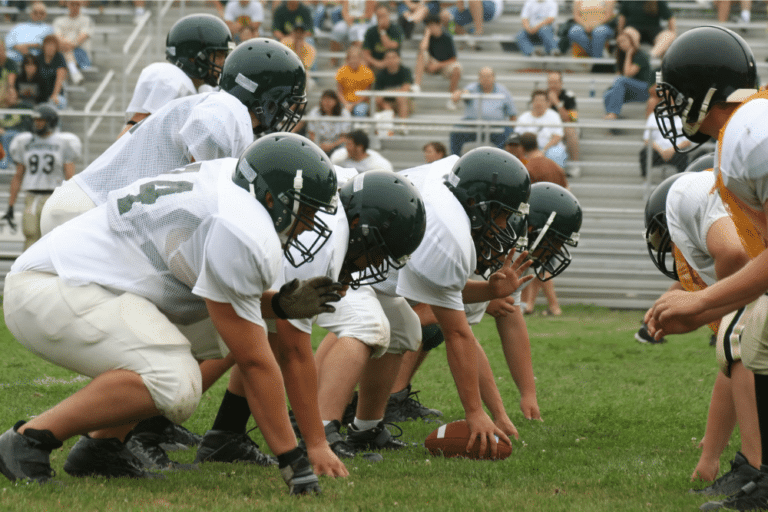
According to a report on the Missoulian's website, a college football player has died after suffering a traumatic brain injury during a scrimmage over the weekend. The article notes that during play, the 21-year-old was hit in the head after tackling a teammate in one of the last plays of the game. Shortly after, he began vomitting and seizing on the sideline, both signs of a concussion. Trainers immediately called 911 and he went to a local hospital but was soon taken by medical helicopter to another medical center.

The young man was diagnosed with an acute subdural hematoma as a result of the blow to the head. According to the Medline, this condition occurs when blood collects on the surface of the brain and usually occurs after serious head trauma. The bleeding creates pressure on the brain and calls for immediate treatment to relieve intracranial pressure, such a crainotomy. In this victim's case, the pressure caused severe and irreversible brain damage and he died one day later.

Sports injuries are one of the biggest contributors to serious brain injuries. Over the past year, the issue of head injuries among football players has been prevalent in the media and according to Boston.com, the NFL recently announced that it will fund research at Boston University to study the effects and prevention of repetitive brain injuries in football players. For any athlete, whether biking, skiiing or playing football, it is important to wear the proper protective head gear to reduce the risk of head injuries. Unfortunately, due to the nature of these sports, injuries may still occur even when precautions are taken. To learn more about this tragic death due to brain injury, follow the link.

| Share
November 30, 2009

College Football Player Receives $7.5 M in Brain Injury Settlement

23-year-old Preston Plevretes, a former college football player, reached a settlement with LaSalle University, four years after he suffered a serious brain injury during a football game. The personal injury settlement was reached for $7.5 million and will cover the young man’s ongoing medical care and treatments for life. In 2005, Plevretes was knocked unconscious and fell into a coma after a hit during a game. Doctors performed emergency surgery to reduce swelling in the brain, however they could not repair all of the damage and today he has difficulty walking and communicating. According to the lawsuit, Plevretes suffered a concussion several days before the game during practice. The plaintiff’s injury attorney contended that because the university did not treat the concussion, it left Plevretes’ brain in a vulnerable state. Plevretes’ attorney noted that when someone’s brain is already swollen, it can quickly swell up and can easily lead to a herniation. This is likely what caused his life-changing injury. To read the full report on this brain injury settlement, click on the hyperlinked text.

August 19, 2009

New York Mets Baseball Star Suffers Concussion

New York Mets starting Third Basemen David Wright suffered a concussion this week when he was struck in the head by a baseball. He was hit when a Matt Cain fastball when strait to his head and caused him a serious brain injury. He is being set to the disabled list for the first time in his career because of the brain injury. The league is attempting to make players wear a new helmet that protects players’ heads better. To read more about David Wright’s concussion, click here.

| Share
August 17, 2009

High School Football Player Suffers Brain Injury

While in practice, Chris Jansen, a high school senior on the football team suffered a brain injury. He took a serious hit and went to the sideline. He sat out only a few plays but came right back out onto the field. When Chris arrived home, he had a headache and was very sick. His parents took him to the hospital; the doctors determined that Chris had a serious brain injury. Chris had surgery and because of the early detection, hopes to make a full recovery. To read more about this football players brain injury, click here.

| Share
August 6, 2009

Illinois Football Player Suffers Brain Injury and Sues Coach

The family of an Illinois High School football player sued the school on Tuesday because of a brain injury their child suffered. The child was having headaches and showed signs of a concussion. The parents believe that because of the coach’s win at all costs mentality, their son played injured, which caused his brain injury. To read more about this football player's brain injury and the Illinois high school football team involved, click here.

| Share
February 12, 2009

Brain Injury Brings Man Blessing

A Colorado man claims a concussion he suffered while diving into a swimming pool to catch a football actually brought him musical skills. The man claims prior to the head injury accident that he had no musical talent. Now, he states he is able to play almost any genre on the piano. Drs interviewed in connection with the store were skeptical. To read more about this unique story, please click here.

| Share
January 25, 2009

Collisions Cause Half of All Brain Injuries

Collisions involving cars, motorcycles, and bicycles are the contributing factors for half of the United States’ reported brain injuries. According to the article, “the risk of traumatic brain injury is highest in young men ages 15 to 24.” One symptom of someone suffering from a traumatic brain injury is the occurrence of a seizure within the first week after the injury. The article lists several other conditions that may result after the traumatic brain injury, but the most common are short term memory loss and communication problems.

For the full story, click here.

September 13, 2008

How to tell if you have a concussion

If you think you may have this type of brain injury, look for the following symptoms: nausea, balance problems, dizziness, double or fuzzy vision, sensitivity to light or noise, headache, feeling sluggish, feeling foggy or groggy, concentration or memory problems, or confusion.

If you experience these symptoms, you may be suffering from a certain type of brain injury called a concussion. Seek medical attention immediately.

For the full article.

| Share
September 12, 2008

Are you at risk for concussions?

Any blow to the head may cause a concussion. Student athletes are at an increased risk of this type of brain injury without proper safety equipment and supervision. Also, anyone who has suffered a concussion before is at a higher risk of having concussions in the future. Slip and falls and traffic accidents often involve concussions.

Sports most likely to cause concussions include baseball, basketball, field hockey, football, gymnastics, ice hockey, lacrosse, soccer, softball, volleyball, or wrestling.

For the full article.

| Share
September 11, 2008

Learn more about concussions

A concussion is a type of brain injury caused by a bump, blow or jolt to the head. According to the Center for Disease Control and Prevention, an estimated 300,000 sports-and recreation-related head injuries occur in the U.S. yearly.

For the full article.

| Share